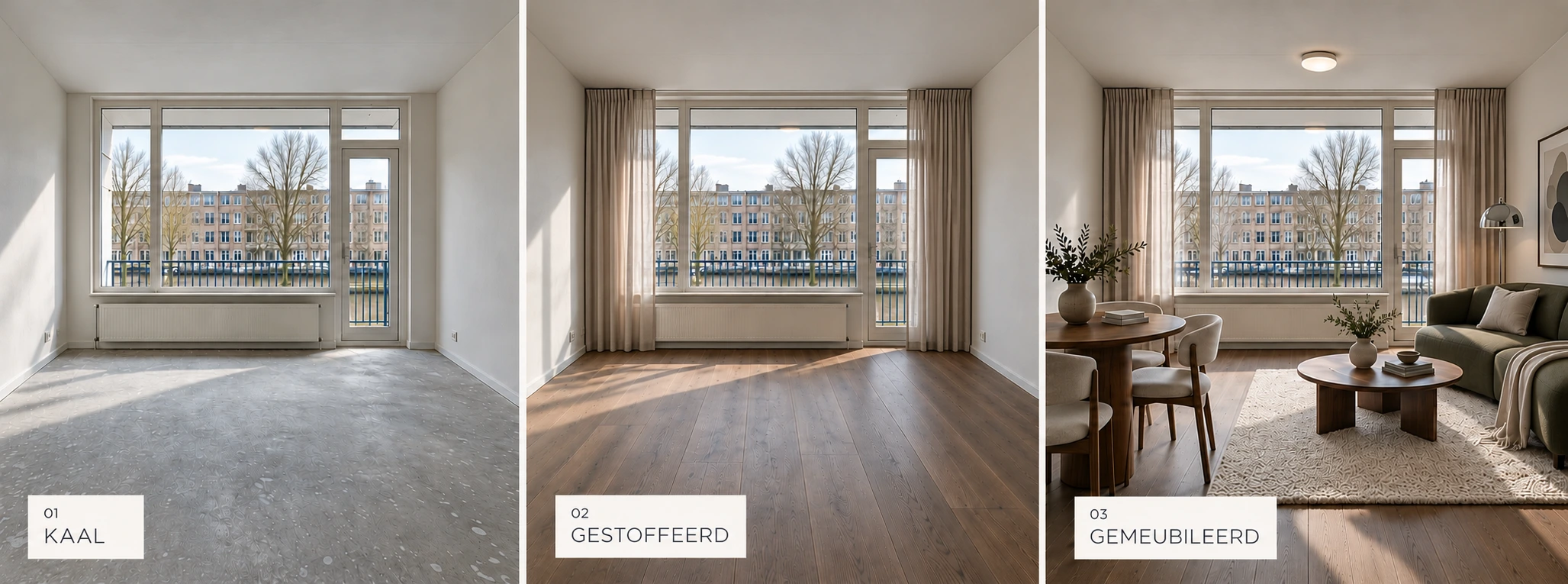

You find a home that looks promising. The location works for your commute, the rent fits your budget, and there is even a second bedroom that could become your home office.
Time to contact the rental agent.
But what do you actually write?
The good news is that a strong rental application does not need to be complicated. A friendly introduction, clear information and a little preparation can help the agent understand your situation.
Think of it as introducing yourself before you have had the chance to meet.
Here are seven practical tips to help you apply with confidence.
Table of Contents
1. Make your message specific to the property
When you are responding to several homes, having a basic introduction ready can save plenty of time.
Keep the parts about your work and household, then adapt the details to the property you are applying for.
Mention the correct address and city, and briefly explain why the home interests you. Perhaps it is close to your new workplace, the layout suits your household or the available starting date fits your move.
You do not need to write a love letter to the kitchen. One genuine reason is enough.
Before sending your rental application, take a moment to check that the details match the listing.
An enthusiastic message about wanting to live in Zwolle makes much more sense when the property is actually in Zwolle, rather than Enschede.
It is a small check, but it helps your message feel personal and considered.
2. Introduce everyone who would live there
A useful introduction starts with your household.
State how many people would live in the property and how your household is made up. You might be moving alone, with a partner, with children or with a friend.
For example:
“We are a couple moving to the Netherlands for work. The property would be occupied by the two of us.”
Or:
“We are a family of four: two adults and our two children.”
This gives the agent a clear starting point and helps them assess whether the property and its occupancy conditions suit your situation.
Next, explain what you do for work and include your gross monthly income: the amount before tax and other deductions.
If you are applying together, give each applicant’s income separately and then the combined total:
“I earn €3,500 gross per month, and my partner earns €3,000 gross per month. Our combined gross monthly income is €6,500.”
This is clearer than simply saying “our income is €6,500”. The agent can immediately see which period and type of income you mean.
How combined incomes are assessed may differ between landlords, so check the conditions of the particular property.
Finally, include your preferred moving date.
With those details, your rental application already answers several important questions: who is moving in, what your employment and income situation looks like, and when you would like to move.
3. Use the listing to guide your application
A rental listing can help you decide what to include in your response.
Before you apply, look at:
- The available starting date.
- The rent and additional costs.
- Any stated income requirements.
- The occupancy conditions.
- Whether the property is furnished.
- The instructions for requesting a viewing.
If the home appears to fit your situation, explain that briefly.
For example:
“The advertised starting date of 1 November works well with the start of my new job.”
If something needs clarification, ask a specific question:
“The listing mentions service costs. Could you confirm whether heating is included?”
You do not have to know everything before contacting the agent. A relevant question can help you work out whether the property is right for you.
The aim is to make your first conversation useful for both sides.
4. Prepare your rental application documents
Having your documents organised can make the next stage feel much more manageable.
For applicants in employment, documents requested during screening may include the following:
Recent payslips
Often, agents request payslips from the latest three months. Check which period is needed for your application.
Evidence of salary payments
You may be asked for relevant bank records showing the salary deposits that correspond to your payslips.
An employer’s statement
You can request this from your employer or HR department. It provides information about your employment situation. If the agent uses a particular form, check this before asking your employer to complete it.
Your employment contract
Some agents request this as additional evidence of your employment and income.
A short introduction letter
This can bring together your household details, work, moving plans and reason for applying. It does not need to be long; a few relevant paragraphs can give a clear picture.
The exact documents depend on the agent, landlord and your circumstances. Treat this as a preparation list rather than a checklist that applies to every property.
What if you have not started your Dutch job yet?
That is worth explaining in your rental application.
You may already have a signed employment contract but no Dutch payslips. Ask whether the agent can assess your contract or an employer’s statement instead. What they can accept depends on the particular application process.
You can still prepare by knowing which documents you have and when the others will become available.
Keep sensitive documents separate from your first introduction. Ask what is needed and how to submit it securely. Do not automatically attach a passport or bank-card copy to every enquiry.

5. Keep your information easy to follow
A clear rental application helps the agent spend less time searching for details and more time understanding your situation.
If the agency provides a form or questionnaire, use it and complete the relevant fields. These questions help gather the information needed for that property.
If something does not apply, simply say so. If an answer needs a little context, add a short explanation.
When supporting documents are requested, follow the submission instructions and give your files recognisable names.
Employment-contract.pdf is a little easier to find than IMG_5839_final_final2.jpg.
Check that the files open properly and that the text is readable. If the agency uses an upload portal, keep everything together there.
And if your situation changes, send a brief update. A new moving date or updated salary is easier to assess when you explain it clearly.
Small details like these make the process smoother for everyone.
6. Stay in touch throughout the process
Once you have sent your first message, keep an eye on your email, including your spam folder.
If you receive a viewing invitation, reply and confirm your attendance when requested. If your plans change, let the agent know.
The same applies to documents. You do not need to have every answer immediately, but it helps to explain when you expect an update.
For example:
“My employer will send the statement on Thursday. I can upload it as soon as I receive it.”
That keeps things moving and gives everyone a clear expectation.
If you are applying from abroad, mention this and ask whether a video viewing or another remote option is available.
Following up is fine if you need an update. Where the agency gives a response timeframe, use that as your guide.
Friendly, clear and reliable communication is a useful part of your application from start to finish.
7. Give a clear picture of your actual plans
International moves rarely come with every detail neatly arranged.
Perhaps your job starts next month, your partner will join you later or you are still organising the journey to the Netherlands.
Explain the details that affect your housing plans.
If there is flexibility in your moving date, say so. If you need the property from a specific date, make that clear too.
Accurate information helps the agent understand what would work for you and identify any questions that need answering.
You do not need to present a perfectly simple situation. You need to present your own situation clearly.
A well-prepared rental application cannot guarantee a viewing or an offer, but it can make it easier for the agent to assess whether you and the property are a suitable match.
What could your first message look like?
You can bring the main details together in a short, friendly introduction.
Here is a fictional example:
Hello,
My partner and I are interested in the apartment at [address] in [city]. The property would be occupied by the two of us.
I work as a project coordinator and earn €3,500 gross per month. My partner works in IT and earns €3,000 gross per month, giving us a combined gross monthly income of €6,500.
We are looking to move from 1 November. The location would work well for both of our commutes, and the second bedroom would be useful as a home office.
We would appreciate the opportunity to attend a viewing. Please let us know if you need any further information.
Kind regards,
[Names]
[Contact details]
Use this as a starting point and adapt it to your own circumstances.
If the agency has an application form, put the information in the relevant fields. Your introduction can then stay short and personal.
Your rental application checklist
Before sending, take one final look:
- The property: Have you included the correct address and city?
- Your household: Is it clear how many people would live there and how your household is made up?
- Your work: Have you explained each applicant’s employment situation?
- Your income: Have you stated gross monthly amounts, separately and combined where relevant?
- Your timing: Have you included your preferred moving date?
- The instructions: Have you answered the questions in the listing or application form?
- Your contact details: Can the agent easily reach you?
- Your documents: Are they organised and ready to submit securely when needed?
That is a solid starting point.
You do not need the longest message or the most elaborate introduction. Clear information, a relevant motivation and a little preparation can help you apply with confidence.
Find a rental route that fits your situation
A good application starts with understanding what you are looking for.
Your budget, household, employment, preferred location and moving date all help determine which homes and search options make sense for you.
Once those details are clear, it becomes easier to focus your efforts and prepare a rental application that reflects your circumstances.
Not sure where to begin?
Discover the rental route that fits your situation and take your next step towards finding a home in the Netherlands.