When people think about moving to the Netherlands, Amsterdam is usually the first place that comes to mind. Canals, bicycles, beautiful townhouses, international companies — it is an easy picture to sell.
But if you are planning to move to the Netherlands for work, Amsterdam does not have to be the automatic answer.
The Netherlands is small, well connected and more varied than many newcomers expect. Outside the capital, you will find regional cities, residential neighbourhoods and smaller towns where shops, restaurants, employers and nature are often surprisingly close together.
In other words: looking beyond Amsterdam does not mean moving to the middle of nowhere.
Why look beyond Amsterdam?
Amsterdam has obvious advantages. It is international, lively and packed with things to do. For many expats, it can also feel like the easiest place to start.
The downside? Plenty of other people have the same idea.
Housing in the Netherlands is competitive, particularly in popular cities. Looking elsewhere will not magically make the Dutch housing shortage disappear, but widening your search can give you access to different neighbourhoods, housing types and price ranges.
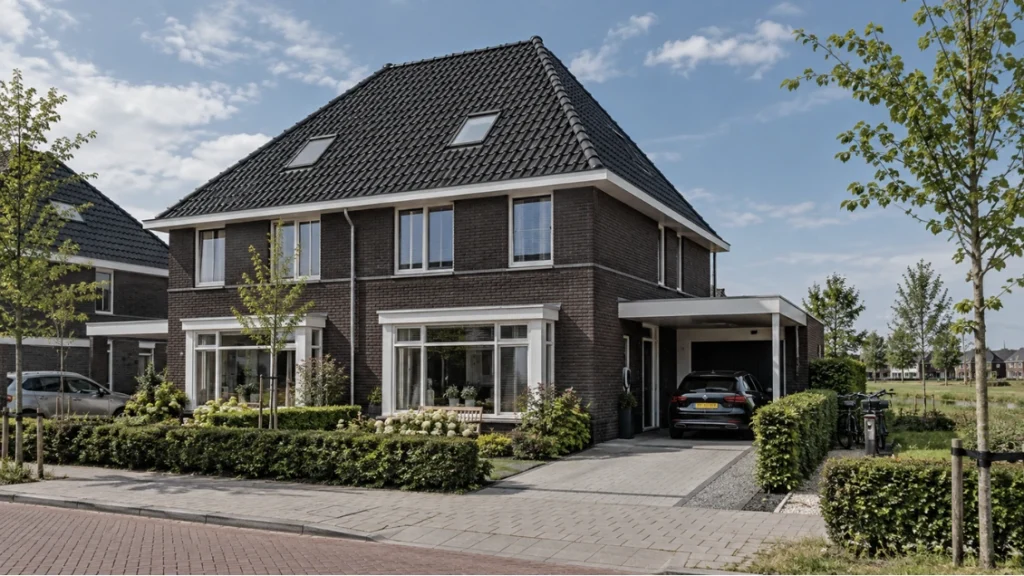
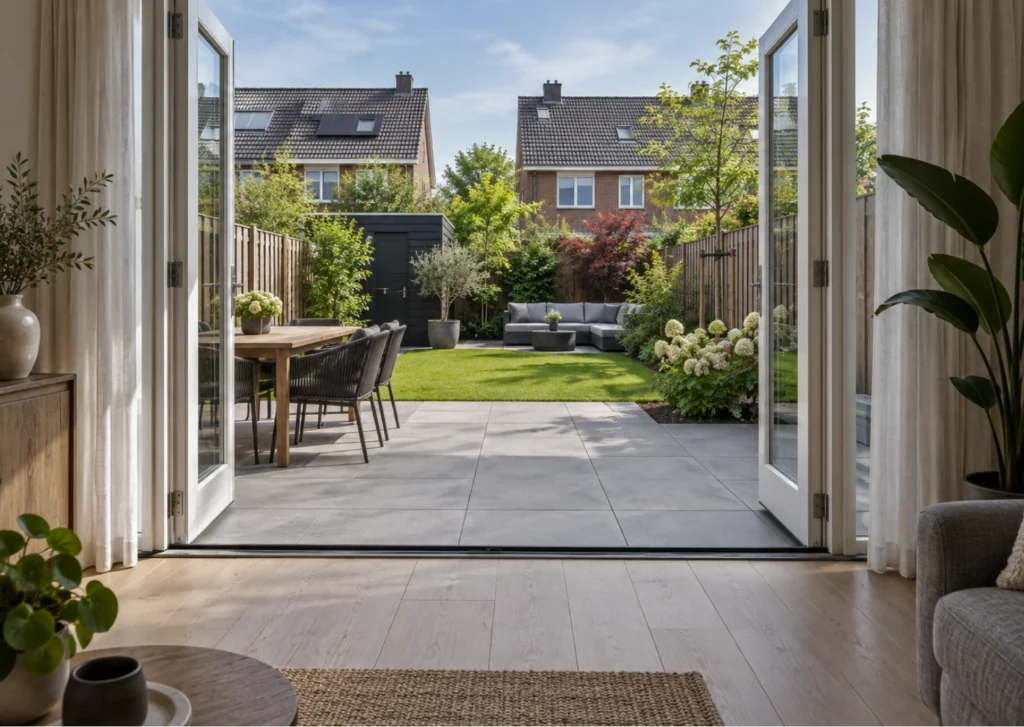
You may discover that your budget stretches further outside the most popular areas. Or that a smaller city gives you the extra bedroom, garden or parking space that you would have to give up elsewhere.
And when you are relocating internationally, having more options is rarely a bad thing.
The Dutch countryside is closer than you think
The Dutch countryside can sound slightly dramatic when you are moving from abroad: endless fields, a lonely farmhouse and six cows as your closest neighbours.
In reality, many parts of the Netherlands blur the line between city and countryside.
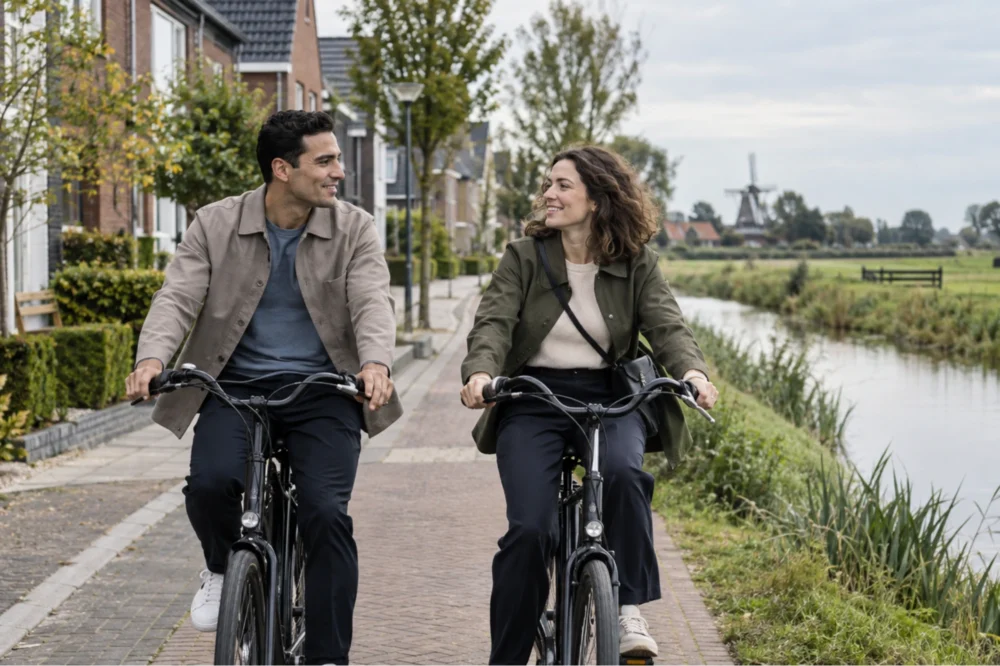
You can live in a modern residential neighbourhood, cycle ten minutes and suddenly find yourself surrounded by fields or forests. Smaller towns often sit close to larger cities, while trains, buses and motorways connect much of the country.
Take Twente in the east of the Netherlands. Cities such as Enschede and Hengelo offer shops, restaurants, universities, hospitals and international employers, while smaller towns and green surroundings are never far away.
The same principle applies elsewhere. Around Eindhoven, for example, you can look beyond the city itself towards surrounding places such as Veldhoven. Arnhem and Nijmegen are surrounded by smaller communities and nature, while still offering the facilities you would expect from a city.
The point is not that one of these places is automatically better.
It is that your search does not have to stop at the city border.
Start with your workplace, not with Amsterdam
If you are moving to the Netherlands for work, try turning the usual search process around.
Instead of asking:
“Which Dutch city would I like to live in?”
Start with:
“Where do I actually need to be on a normal Tuesday morning?”
It sounds less exciting, but it is probably the more useful question.
If your office is in Eindhoven, Hengelo, Arnhem or Rotterdam, living in Amsterdam simply because it is the city you know best may add an unnecessary commute and limit your housing options.
Look at the area around your workplace first. Then gradually increase your search radius.
If you work hybrid, you may have even more freedom. A 40-minute journey twice a week feels very different from making that same journey five days a week.
And do not only look at kilometres. Check the actual journey. A town with a direct train connection may be more convenient than a neighbourhood that looks closer on the map but requires several transfers.
Where to live in the Netherlands: think in regions
One of the easiest mistakes when deciding where to live in the Netherlands is comparing only the country’s most famous cities.
Instead, think in regions.
Working in Eindhoven? Look at Eindhoven, but also at the surrounding towns and residential areas.
Working in Twente? Compare Enschede and Hengelo with nearby towns such as Borne or Oldenzaal.
Working somewhere between Arnhem and Nijmegen? Both cities — and the places between them — could be worth considering.
This gives you a much more realistic picture of your options.
It also helps you choose based on your actual lifestyle. Someone who wants restaurants within walking distance will search differently from someone who dreams of a garden, home office and quiet street.
Before choosing an area, compare these five things:
- Commute: How long does the journey to work actually take during the times you will travel?
- Budget: What type and size of home can you realistically rent there?
- Transport: Do you need a car, or can you rely on trains, buses and a bicycle?
- Daily life: Are supermarkets, gyms, cafés and other facilities nearby?
- Space: How important are an extra bedroom, garden, balcony, parking space or home office?
A location that scores well on the things that matter to you is much more useful than simply choosing the city with the most recognisable name.
What does your Dutch rent actually get you?
When comparing locations, do not only look at the number next to the word rent.
Look at what you actually get for it.
The same budget may get you a smaller apartment in a popular city or a larger home somewhere else. Depending on the location, widening your search may also give you access to properties with outdoor space, parking or an extra bedroom.
That can be especially valuable if you work from home.
There is another reason to look beyond the advertised monthly price. When renting in the Netherlands, you will come across terms and costs that may work differently from what you are used to.
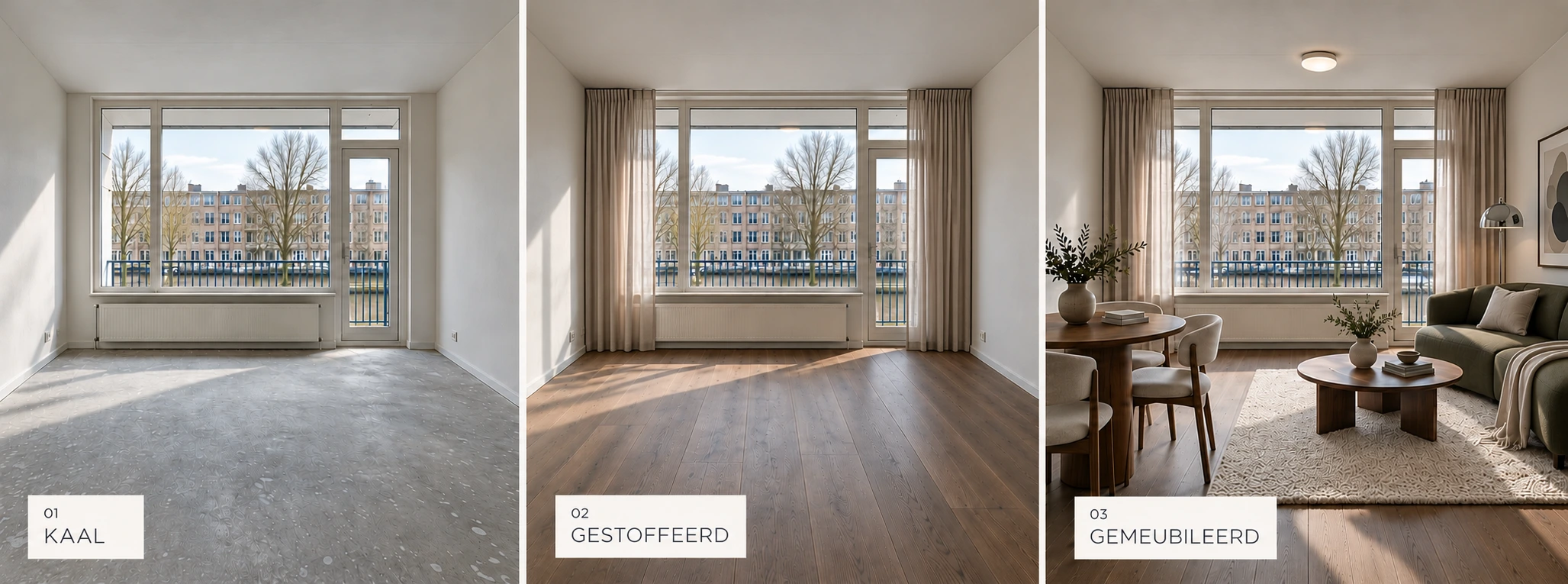
Listings may describe a property as furnished, upholstered or unfurnished. Service costs can be charged separately and utilities are not always included. Landlords may also ask for proof of income, employment documents and a deposit before approving a tenant.
So two properties with the same advertised Dutch rent can result in very different monthly costs — and very different lifestyles.
Before you fall in love with the sunny balcony, check the boring details too.
City, regional city or smaller town?
There is no one correct answer.
A large city can be ideal if nightlife, restaurants, international communities and having everything nearby are important to you. The trade-off may be stronger competition or less space for your budget.
A regional city can offer a comfortable middle ground: plenty of shops, cafés, culture and public transport, while giving you access to a wider range of residential neighbourhoods.
A smaller town may suit you better if you prefer quieter surroundings, parking, greenery or more space at home. The main question is whether your commute and daily routine still work.
That is why the most useful question is not:
“Is this place exciting enough?”
It is:
“Would my everyday life work here?”
Because after a few months, the distance to your office, supermarket or favourite gym will probably matter more than whether tourists recognise the name of your town.
Look at your whole life, not just the house
Finding a beautiful property is only part of choosing where to live in the Netherlands.
Think one step further.
Can you register at the address? How will you get to work? Is there a train station nearby? If you travel internationally, how easy is it to reach an airport? If your partner is relocating with you, does the location work for both careers?
Your plans also matter.
Someone coming to the Netherlands alone for a one-year assignment may prioritise a furnished apartment and short commute. A couple planning to stay longer may care much more about an extra bedroom, neighbourhood, garden or space to work from home.
There is no universal formula.
A useful starting point is:
workplace + budget + lifestyle + transport + housing preferences
That combination will usually tell you much more than a list of the “best cities for expats”.
Look beyond the obvious
Moving to the Netherlands is already a big decision. Choosing where to live should not be based only on the Dutch cities you happened to know before you arrived.
Amsterdam may still turn out to be exactly right for you.
But it is worth zooming out first.
A regional city could put you closer to work. A smaller town could give you the extra room you wanted. A neighbourhood on the edge of the countryside could mean cycling into the city while still having nature around the corner.
So before refreshing the same Amsterdam rental listings for the hundredth time, open the map and look a little further.
Your ideal place to live in the Netherlands might be somewhere you had never thought to search.